A brand identity guide is only useful if it covers the right things. A document that stores your logo file and two hex codes is not a brand identity guide. A well-structured guide is a complete reference document that allows anyone working with your brand, including you, to make consistent visual and verbal decisions without reinventing them.
This post covers exactly what should be included in a complete brand identity guide, ensuring every element of your brand is documented for clarity and consistency across all channels.
Logo and brand mark
The logo section should include every approved variation of your logo: the primary version, a simplified version for small applications, a horizontal version, and monochrome versions for contexts where color is not available.
Specify the minimum size, the approved clear space around the mark, and prohibited uses. Logo misuse is one of the most common causes of brand inconsistency across contractors and collaborators.
Color system
A complete color section specifies the full palette: primary, secondary, and accent colors, each with values in hex, RGB, CMYK, and Pantone where applicable.
It should also clarify how colors are used: which are for backgrounds, which are for text, and how they combine. Ratio guidance, for example a 60/30/10 distribution principle, prevents the palette from being applied in ways that feel unbalanced.
Typography system
The typography section specifies your complete type hierarchy: the typeface for headlines, the typeface for body copy, and any supporting typefaces for captions, labels, or call-to-action elements.
For each typeface, include the approved weights and sizes for different contexts. If there are web-safe or system font alternatives for contexts where your primary typefaces cannot be loaded, document those fallbacks here.
Imagery and photography direction
This section specifies the visual direction for photography: the color temperature, lighting style, subject matter, and the feeling that on-brand images should convey. It is one of the most powerful tools for defining your brand’s aesthetic, particularly when using stock photography professionally.
Equally important is documenting what off-brand images look like. Providing both positive and negative examples removes the ambiguity that leads to contractors choosing the wrong imagery. The imagery direction section should include example photographs for reference.
Tone of voice
Tone of voice covers how the brand communicates verbally. It should include the core personality traits the brand expresses, the vocabulary the brand uses and avoids, the sentence structure appropriate for the audience, and examples of on-brand and off-brand copy.
A social media manager with no tone of voice guidance will default to their own voice, not yours. This section ensures verbal consistency.
Brand application examples
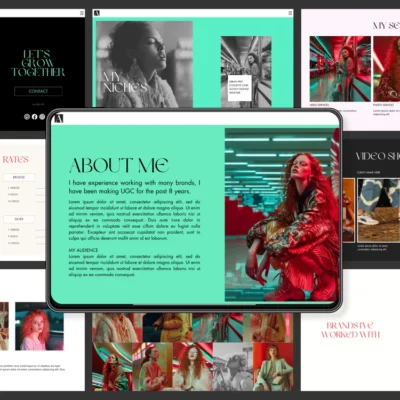
Include the brand applied to the key touchpoints relevant to your business: social media headers, email templates, website page screenshots, or any other context your brand appears in regularly. Visual examples resolve interpretation questions that text instructions alone cannot.
What to do if you do not have all of this yet
The process of creating a structured guide often forces the brand decisions that have not yet been made explicitly. This surfaces gaps before they become problems in public-facing content. For those looking to bridge the gap between initial ideas and professional-grade outputs, read our comparison of Canva’s brand kit versus a professional brand identity guide.
Alter Edit brand identity guide templates are structured to a professional agency standard and can be completed entirely within Canva, without design software or a designer. They provide the structure you need to complete each section before briefing your first contractor.